Giants of Fire: The Volcanic History of Ecuador
Ecuador is one of the countries with the highest volcanic activity in Latin America, and much of its history is written by the fire that emerges from the Earth's interior. Ecuadorian volcanoes have not only shaped important landscapes but have also influenced the lives of the people who grew around them, marking traditions, displacements, and changes in the territory.
Since ancient times, these enormous mountains have been considered sacred symbols, sources of fertility, and at the same time, causes of fear. Each volcano has its own story: some have remained silent for centuries, while others have transformed entire cities with their eruptions. Knowing them is to understand an essential part of Ecuador's natural and cultural past.
The most important volcanoes in Ecuador
The Ecuadorian territory has more than 50 volcanoes, many of them located in the Andean region or Sierra, forming part of the so-called Pacific Ring of Fire. Some stand out not only for their size but also for their activity and for the historical and tourist importance they have had over time.
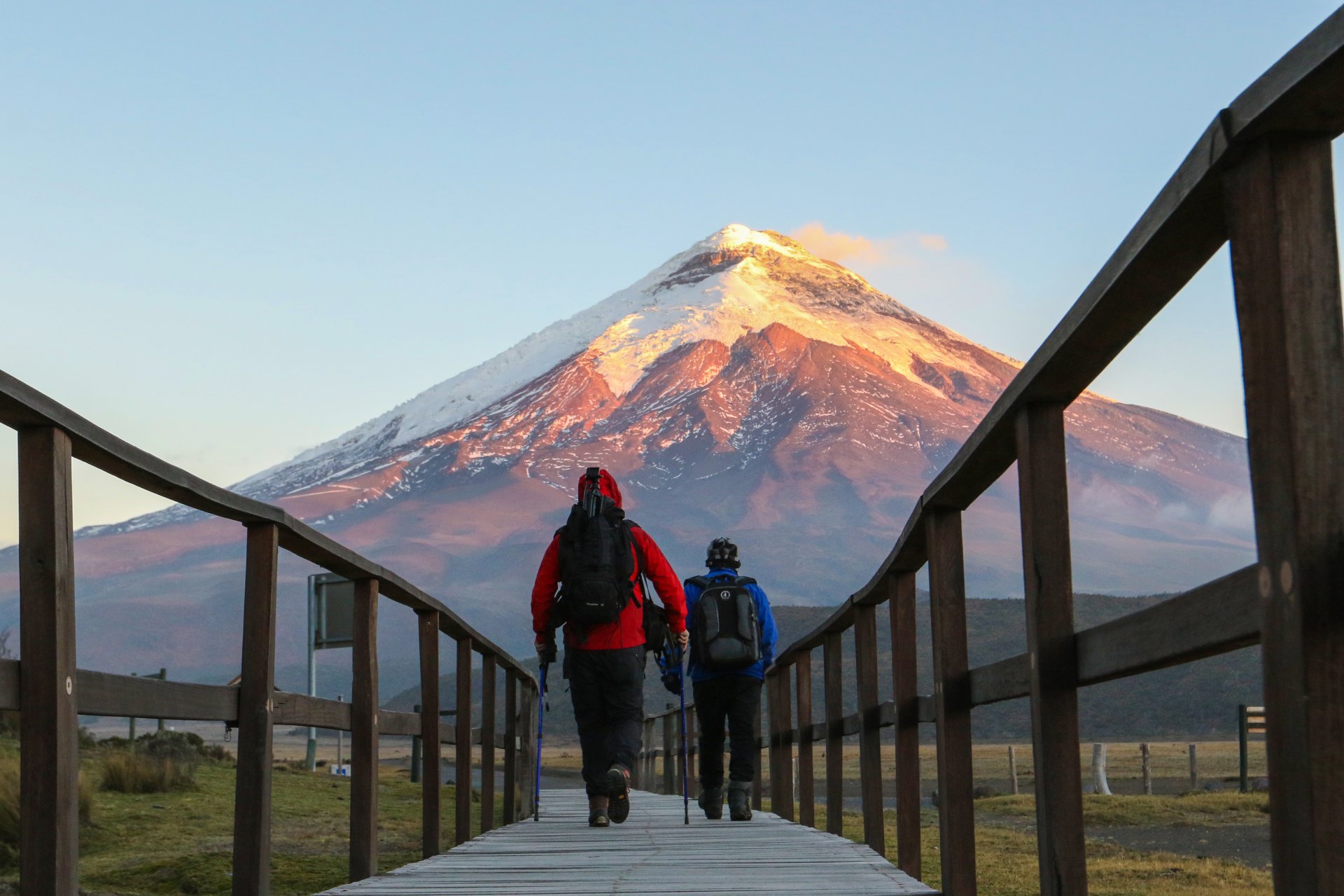
Cotopaxi Volcano
It is one of the highest active volcanoes in the world and one of the country's most recognized natural symbols. Its almost perfect shape and snowy peak make it a highly visited tourist destination.
Chimborazo Volcano
Although it is not an active volcano, it is the highest point in Ecuador and, due to the shape of the Earth, it is the closest place to the Sun. Since colonial times, it has been a cultural and scientific reference, attracting explorers and scholars interested in its extreme geography and glaciers.
Tungurahua Volcano
Known as "The Colossus," it has had intense eruptive activity in recent years, affecting nearby communities like Baños. Its eruptions have caused evacuations and material damage, but they have also demonstrated the resilience of the local population.
Pichincha Volcano
Located near Quito, its activity has had a direct impact on the capital. One of its most remembered eruptions covered the city in ash, affecting the daily lives of thousands of people and highlighting the proximity between volcanic activity and urban centers.
Quilotoa Lagoon
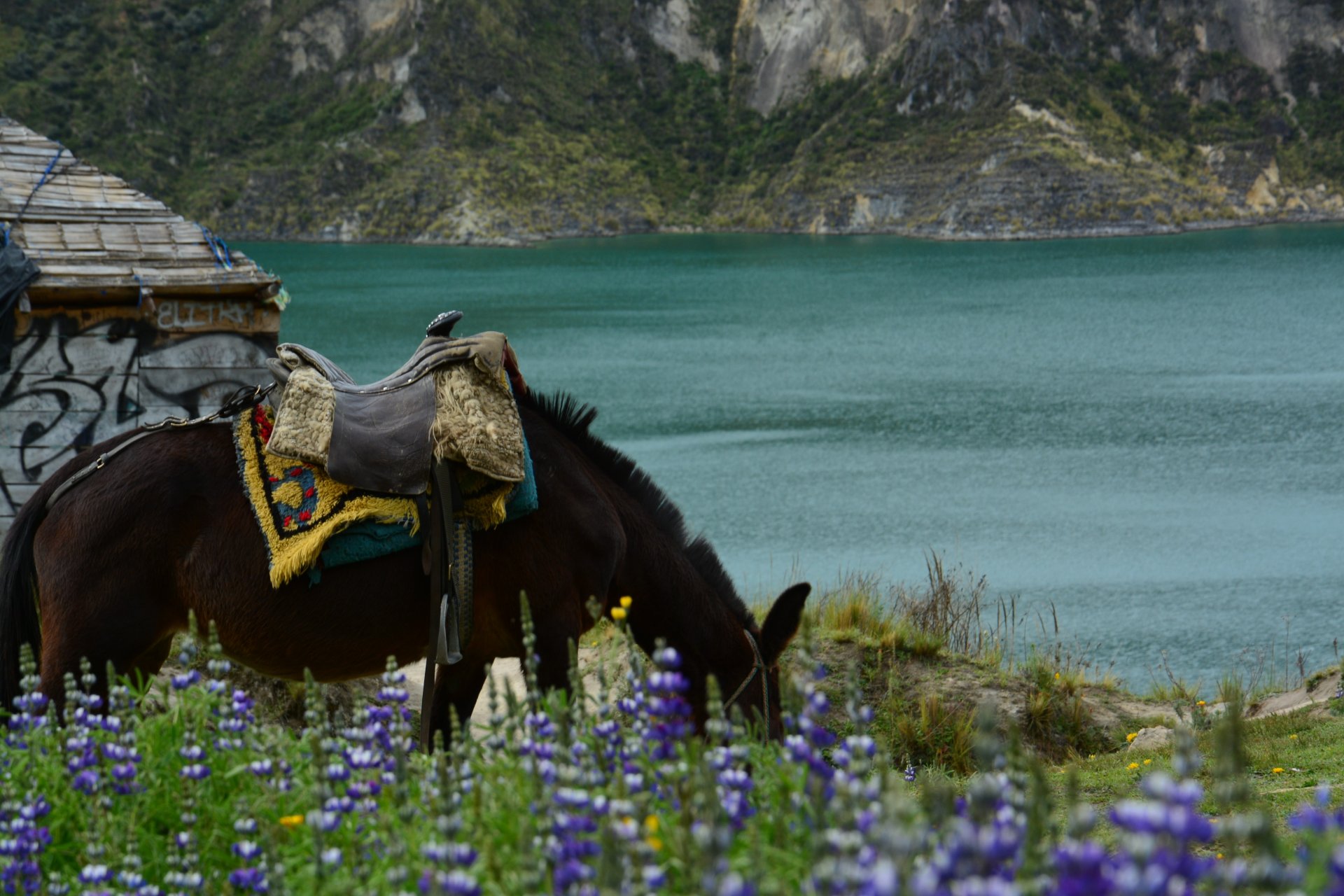
Quilotoa is a volcanic caldera, meaning that what is seen today is not a volcanic cone, but the crater left after a major eruption that occurred hundreds of years ago. Over time, this crater filled with water and formed the turquoise lagoon that is so well-known today.
Between Lava and Legend: Stories Born from the Volcano
In addition to their imposing landscapes, Ecuador's volcanoes hold tales that have been passed down through generations. Many communities believe that these mountains have their own spirit, capable of protecting, punishing, or teaching. These mysterious stories are part of the charm of each volcano and make visiting them an experience that goes beyond the visual: it is a journey into the tradition, culture, and imagination of the Ecuadorian people.
The Rivalry: Cotopaxi vs. Chimborazo
One of the best-known legends tells that Cotopaxi and Chimborazo faced off in a battle for the love of Mama Tungurahua, and that Chimborazo emerged victorious. It is said that the two married and gave birth to Guagua Pichincha.
The Hidden City in Chimborazo
Another legend tells of a hidden city within Chimborazo, full of riches and treasures. A young shepherd tending his sheep on the slopes of the volcano discovered the entrance to the city and was welcomed by its inhabitants. He returned with ears of corn made of gold, but no one believed his story.
The Heartbreaker: Mama Tungurahua
It is said that Mama Tungurahua is a bandit who has had several love affairs with other volcanoes, leading to rivalries among them, such as with Cotopaxi, Chimborazo, and El Altar.
The Son of Fire: Guagua Pichincha
As the child of the two most important volcanoes in Ecuador, it is said that when he cries, Mama Tungurahua becomes anxious and begins to tremble; his mother is very protective and loving, always watching over her son. This also symbolizes that something bad is about to happen, and Tungurahua is trying to warn them.
The Cry of Love: Quilotoa
The legend says that Quilotoa fell in love with Cotopaxi, but her parents, the Ilinizas, did not approve of the relationship. Quilotoa erupted in fury and created her crater, and then her desperate tears filled the caldera with turquoise tears.
These legends are beautiful stories that reflect the connection between nature and culture in Ecuador. Although they are myths, there is a scientific basis behind them, making them even more interesting and fascinating.

Explore the volcanic history of Ecuador and discover its most impressive volcanoes. Uncover legends, interesting facts, and incredible landscapes all in one place. A perfect blog for tourists, students, and nature and adventure lovers.
by Explorsierra Tourism Agency Ecuador